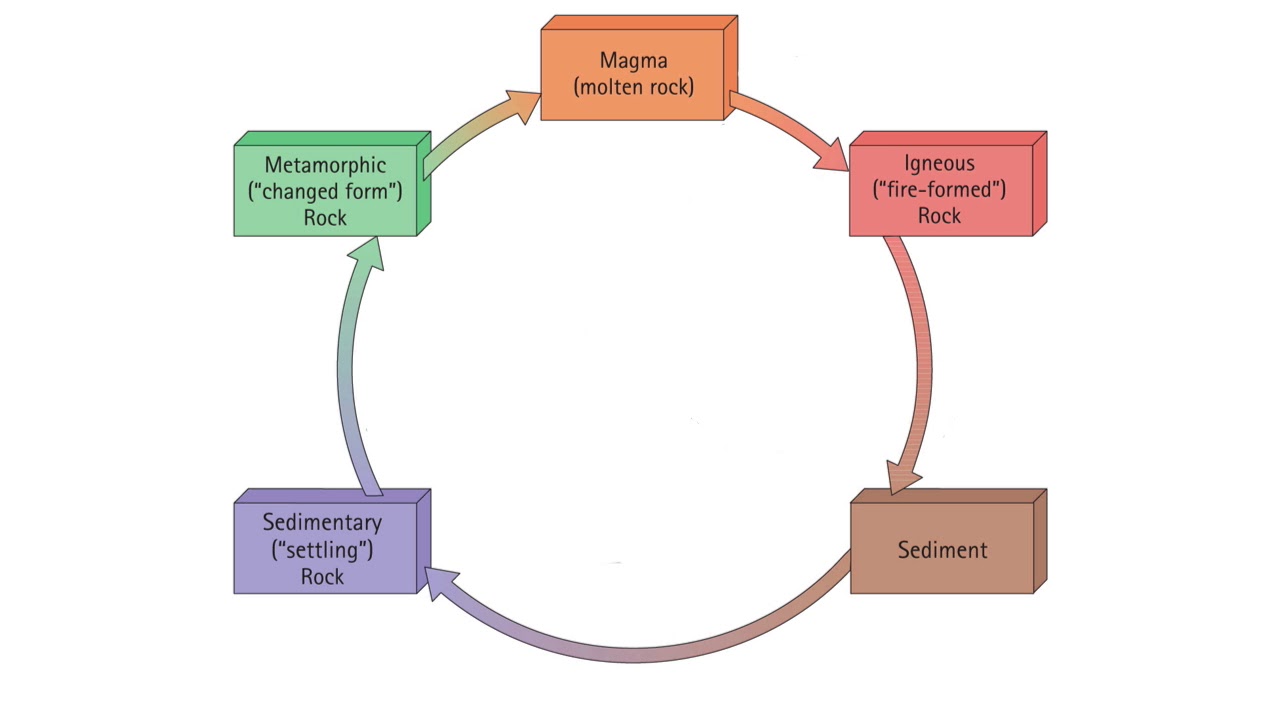
The Rock Cycle. If the diagram does not make sense, a simple explanation. When exposed at the earth's surface, the rock is broken down into tiny particles of. The rock cycle is a basic concept in geology that describes transitions through geologic time among the three main rock types: Rocks gradually wear away, a process called weathering. It helps us illustrate the relationships between different rock types and how they change into each other. The rock cycle is a concept among geologists that explains the transitions of rocks between the rock types ( igneous , sedimentary and metamorphic across geological time. ⠀ 🔹 follow this link, set the password to log in to the application and agree to the terms of use; ⠀ 🔹 download the rock the cycle app on your phone (if you don't have one or if there's an. The rock cycle is earth's great recycling process where igneous, metamorphic, and sedimentary rocks can all be derived from and form one another. Biological, chemical and physical weathering are three types of weathering. The rock cycle is a concept used to explain how the three basic rock types are related and how earth processes, over geologic time, change a rock from one type into another. The rock cycle is illustrated in figure. Each rock type is altered when it is forced out of its equilibrium conditions. The rock cycle diagram clearly shows all the steps, components of the rock cycle including the end results and the movement of the process. Igneous rocks are produced when molten rock cools and solidifies.
The Rock Cycle - Rock Cycle « Kaiserscience
Geology Cafe.com. The rock cycle is a concept used to explain how the three basic rock types are related and how earth processes, over geologic time, change a rock from one type into another. When exposed at the earth's surface, the rock is broken down into tiny particles of. Each rock type is altered when it is forced out of its equilibrium conditions. The rock cycle is earth's great recycling process where igneous, metamorphic, and sedimentary rocks can all be derived from and form one another. The rock cycle diagram clearly shows all the steps, components of the rock cycle including the end results and the movement of the process. Igneous rocks are produced when molten rock cools and solidifies. The rock cycle is illustrated in figure. It helps us illustrate the relationships between different rock types and how they change into each other. Rocks gradually wear away, a process called weathering. If the diagram does not make sense, a simple explanation. Biological, chemical and physical weathering are three types of weathering. The rock cycle is a basic concept in geology that describes transitions through geologic time among the three main rock types: The rock cycle is a concept among geologists that explains the transitions of rocks between the rock types ( igneous , sedimentary and metamorphic across geological time. ⠀ 🔹 follow this link, set the password to log in to the application and agree to the terms of use; ⠀ 🔹 download the rock the cycle app on your phone (if you don't have one or if there's an.
Magma that cools under the earth's surface into solid rock does so very magma that swells up to the ocean floor is effectively working both ends of the rock cycle.
James hutton is considered the father of geology. Each stanza is supplemented with interactive images, diagrams, and. Magma that cools under the earth's surface into solid rock does so very magma that swells up to the ocean floor is effectively working both ends of the rock cycle. Create groups of three and provide each with ten to fifteen milk chocolate chips. It strongly affects the carbon and other geochemical cycles by locking up critical elements for tens to hundreds of millions of years. Rocks gradually wear away, a process called weathering. The rock cycle is a concept among geologists that explains the transitions of rocks between the rock types ( igneous , sedimentary and metamorphic across geological time. Fun facts about rock cycle for kids. Learn about the rock cycle with free interactive flashcards. ⠀ 🔹 download the rock the cycle app on your phone (if you don't have one or if there's an. By studying the rock cycle diagram we can see that the rock cycle never ends and by following the arrows the different paths can be. The rock cycle is a concept used to explain how the three basic rock types are related and how earth processes, over geologic time, change a rock from one type into another. The rock cycle diagram clearly shows all the steps, components of the rock cycle including the end results and the movement of the process. The rock cycle is earth's great recycling process where igneous, metamorphic, and sedimentary rocks can all be derived from and form one another. The relationships between uniformitarianism, the rock cycle, and plate tectonics are explored both. Idea for use in the classroom. Biological, chemical and physical weathering are three types of weathering. Over the age of the earth, some rocks. Each rock type is altered when it is forced out of its equilibrium conditions. The rock cycle describes these changes and how they happen. Things to do near rock the cycle. James hutton is considered the father of geology. Igneous rocks are produced when molten rock cools and solidifies. The key processes of the rock cycle are crystallization, erosion and sedimentation, and metamorphism. If the diagram does not make sense, a simple explanation. The rock cycle is a basic concept in geology that describes transitions through geologic time among the three main rock types: Rocks change very slowly under normal activity, but sometimes catastrophic events like. The rock cycle is an interactive story about the life of a rock. The rock cycle chart below shows a photograph of each type of rock: The rock cycle is illustrated in figure. This module addresses the rock cycle, including the historical development of the concept.
